You just bought a new electric vehicle and you’re trying to figure out whether your home’s electrical panel in Opelika, Alabama can actually support proper EV charging station installation. It’s a smart question, and the answer depends on several technical factors that a licensed electrician should evaluate before any equipment goes on your wall.
Most homeowners in Opelika start by considering a Level 2 charger, which operates on a 240-volt circuit and typically requires a dedicated 40-amp to 50-amp breaker. This setup delivers roughly 25 to 30 miles of range per hour of charging, making it the practical choice for daily use. Level 1 charging, which plugs into a standard 120-volt outlet, is far too slow for most drivers and rarely worth keeping as a long-term solution. For commercial properties in Opelika, DC fast chargers operate at much higher voltages and require significant infrastructure planning from the start.
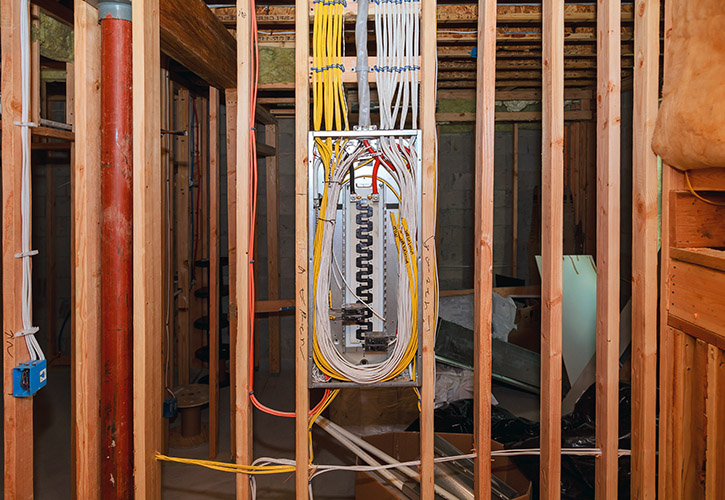
When Milton Electrical Services performs EV charging station installation and repair in Opelika, the process begins with a panel assessment. Many older homes carry 100-amp service panels that may not have the available capacity for a dedicated EV circuit without upgrades. Newer homes with 200-amp panels are usually better positioned. The NEC (National Electrical Code) Article 625 specifically covers electric vehicle charging equipment, outlining requirements for circuit sizing, GFCI protection, cable management, and permitted installation locations including garages, carports, and exterior walls.
The equipment itself matters too. Most popular residential chargers, including those from brands like ChargePoint, Emporia, and Wallbox, require hardwired installation or a NEMA 14-50 outlet on a dedicated circuit. Hardwired units are generally considered more secure and code-compliant in permanent settings. For outdoor installations in Opelika, the charger and any exposed conduit must meet weatherproofing standards, and the outlet or junction box must carry an appropriate wet-location rating.
Repair work on EV charging stations is another area where professional service matters. Common issues include tripped GFCI breakers, damaged conduit or wiring from physical impacts, connector faults, and communication errors between smart chargers and home Wi-Fi networks. Some problems originate at the panel level rather than the charger itself, which is why a knowledgeable electrician familiar with EV charging station repair can diagnose the issue correctly the first time instead of swapping parts unnecessarily.
- Dedicated 240-volt circuit with proper amperage for your charger model
- Code-compliant conduit routing and weatherproof enclosures for outdoor use
- GFCI protection as required by NEC Article 625
- Panel capacity verification before installation begins
- Smart charger setup and load-management compatibility checks
Milton Electrical Services is licensed, insured, and experienced with residential and commercial EV charging station installation and repair throughout Opelika. If you’re ready to move forward or need a diagnostic on an existing charger, reach out to schedule your EV charging station consultation in Opelika today.