What separates a professional cabinet lighting installation from a DIY attempt in Hatchechubbee, Alabama often comes down to the technical details that homeowners rarely think about until something goes wrong. Proper wire gauging, transformer sizing, and compliance with the National Electrical Code are not optional considerations. They are foundational requirements that affect both safety and long-term performance.
Modern cabinet lighting products fall into several categories, and each one carries its own set of installation considerations. Low-voltage LED strip lights, hardwired puck lights, xenon under-cabinet fixtures, and line-voltage fluorescent bars all behave differently in terms of heat output, driver requirements, and load calculations. For example, low-voltage LED systems typically operate at 12V or 24V DC and require a compatible transformer or driver rated for the total wattage of the run. Undersizing that driver is a common mistake that causes flickering, premature failure, or even overheating.
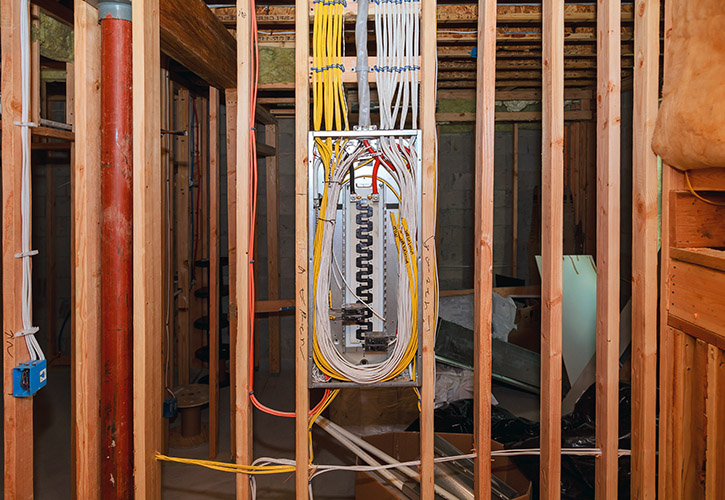
In Hatchechubbee, residential electrical work must follow NEC guidelines, which include specific rules about how wiring is run inside cabinet cavities, how connections are made, and whether junction boxes are required. When cabinet lighting installation involves tapping into an existing circuit, a licensed electrician will verify that the circuit is not already near its maximum load. Adding lighting to an overloaded circuit is a code violation and a fire risk. A professional also knows when a dedicated circuit is the right solution versus sharing an existing one.
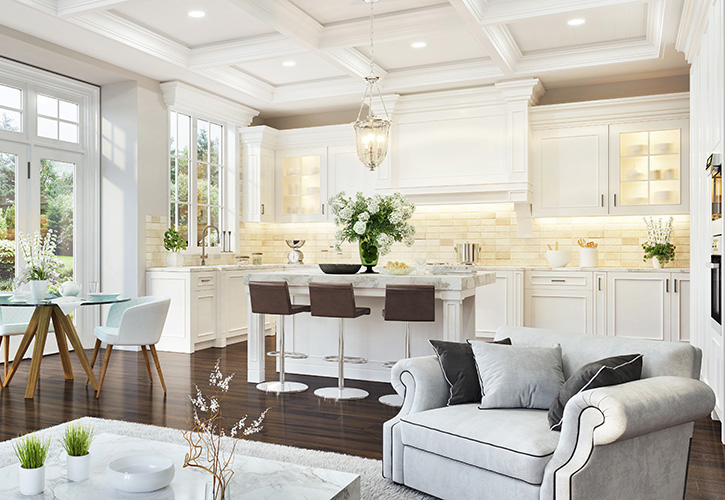
The physical installation inside cabinetry adds another layer of complexity. Drilling through cabinet walls, routing low-profile wiring, and keeping connections concealed requires precision. In Hatchechubbee homes with older cabinetry, the wood may be thinner or more fragile than expected. Dimmer compatibility is another technical consideration that trips up many homeowners. Not all LED drivers are dimmable, and not all dimmers are rated for LED loads. Pairing the wrong dimmer with an LED fixture results in buzzing, flickering, or reduced lifespan of the fixture.
Repair work for cabinet lighting in Hatchechubbee often involves diagnosing transformer failure, correcting loose wire connections at terminal blocks, or replacing damaged LED strip segments. These tasks require proper tools and an understanding of how low-voltage and line-voltage systems differ. A trained electrician from Milton Electrical Services can identify whether the issue is the fixture itself, the driver, the switch, or the wiring pathway. Guessing at the source of a fault can lead to replacing parts that do not need replacing while leaving the actual problem unresolved.
- Transformer and driver sizing must match total fixture wattage
- Dimmer compatibility must be verified before installation
- Circuit load must be evaluated before tapping existing wiring
- NEC code compliance governs how wiring is routed and connected
If you are in Hatchechubbee and considering cabinet lighting installation or repair, Milton Electrical Services brings licensed expertise and attention to technical detail that protects your home and ensures the job is done correctly the first time. Reach out today to discuss your cabinet lighting project.