Your circuit breaker trips repeatedly, or maybe you’ve noticed the panel feels warm to the touch and some breakers no longer reset properly. If you’re a homeowner in 30A, Florida, these signs often point to a situation where electrical panel replacement and repair is not just recommended but genuinely necessary. The real question many technically curious homeowners ask is: can I handle any of this myself, or do I truly need a licensed professional?
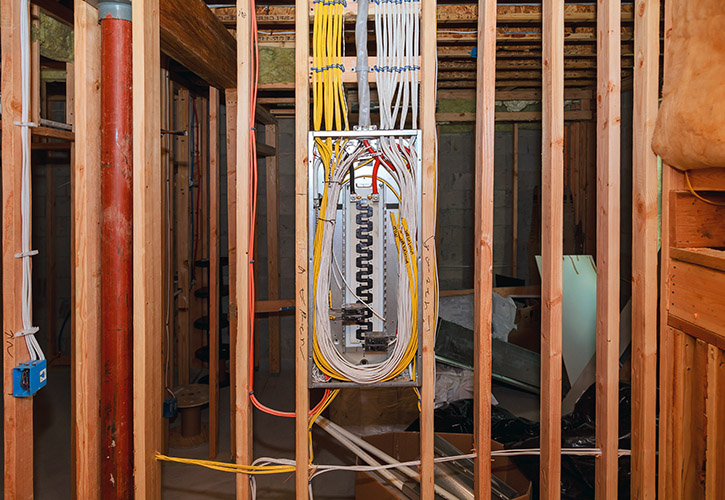
The short answer is that electrical panel replacement and repair in 30A requires a licensed electrician by law. Florida state statutes require permits for panel work, and the local authority having jurisdiction inspects the completed job before power is restored. This isn’t bureaucratic red tape. Panels are the heart of your home’s electrical distribution system, and improper work creates fire and electrocution risks that aren’t always immediately visible.
From a technical standpoint, here’s what makes this work complex. Modern residential panels in 30A are typically rated at 200 amps, though older homes may still have 100-amp or even 60-amp service. The National Electrical Code, specifically NEC Article 230, governs service entrance conductors, and Florida has adopted its own amendments that further tighten requirements. A licensed electrician knows which conductor sizes, breaker types, and grounding electrode configurations comply with current Florida Building Code standards for properties in 30A.
There are also product-specific considerations that matter during electrical panel replacement and repair. Some older Federal Pacific Electric Stab-Lok panels and Zinsco panels have well-documented reliability issues and should be replaced regardless of their apparent condition. Newer panels from manufacturers like Square D, Eaton, and Siemens offer arc-fault circuit interrupter breakers and ground-fault protection built in, which are now code-required in many circuits. A professional working on your 30A home will evaluate whether your existing panel can be repaired or whether a full replacement is the safer path forward.
- Bus bar damage or corrosion typically requires full panel replacement, not a simple repair.
- Double-tapped breakers, where two wires share a single breaker terminal not rated for it, are a common code violation a professional can identify.
- Undersized service, common in older 30A homes before modern appliance loads, may require coordination with your utility provider during replacement.
- AFCI and GFCI breaker requirements under current NEC editions apply to bedrooms, kitchens, bathrooms, and outdoor circuits, making compliance part of any proper repair or replacement job.
Attempting to open a main panel yourself while the utility feed is still energized is extremely dangerous. Even with the main breaker off, the service entrance lugs remain live. Utilities in 30A must be notified and often dispatch a crew to pull the meter before certain panel work can safely begin.
If you’re seeing warning signs or simply want an honest evaluation of your system, Milton Electrical Services is ready to help homeowners in 30A with professional, code-compliant electrical panel replacement and repair. Reach out today to schedule an assessment.