Are you wondering whether your home’s electrical system is really protected against the kind of voltage spikes that can silently destroy appliances and electronics? If you live in Hatchechubbee, Alabama, understanding whole-house surge protection and repair at a technical level can help you make smarter decisions for your property and your family’s safety.
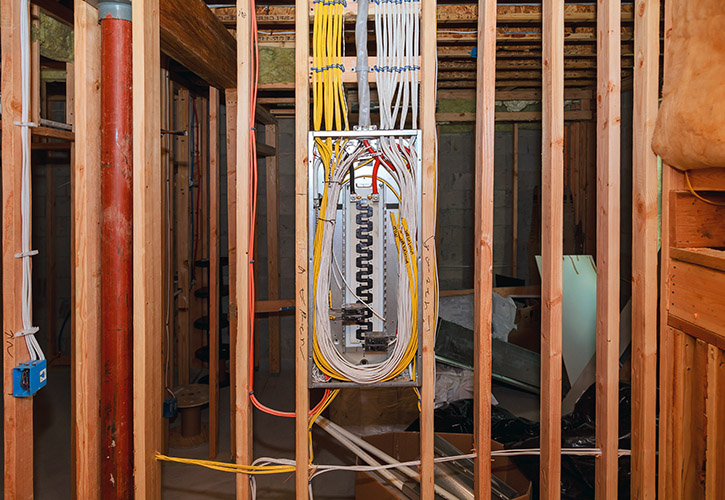
Most homeowners assume a power strip with a built-in surge protector is enough. The reality is that point-of-use devices only address a fraction of the problem. A whole-house surge protector, formally called a Surge Protective Device or SPD, is installed directly at your main electrical panel and is classified under UL 1449 standards. For residential applications, Type 1 and Type 2 SPDs are the most relevant. Type 1 devices are installed before the main breaker and handle surges from external sources like lightning. Type 2 devices are installed after the main breaker and address internal surges generated by large appliances cycling on and off. Many electricians serving Hatchechubbee recommend a layered approach using both types for comprehensive coverage.
The National Electrical Code, specifically NEC Article 285 and the more recent guidance in the 2020 NEC, increasingly recommends SPD installation as a best practice for new and existing residential construction. Key specifications to look for include a clamping voltage of 400V or lower, a surge current rating of at least 40,000 amps per phase, and a response time measured in nanoseconds. When Milton Electrical Services evaluates a Hatchechubbee home for whole-house surge protection, these technical benchmarks guide every recommendation.
Whole-house surge repair is equally important to understand. An SPD that has absorbed repeated large surges may reach its end-of-life threshold, indicated by a status light or audible alert on the device. Signs that your existing surge protection system needs attention include:
- The indicator light on your SPD has changed color or gone dark
- Unexplained damage to appliances or electronics after a storm
- Your panel shows signs of heat damage near the SPD connection point
- The device is more than eight to ten years old without inspection
Hatchechubbee homeowners sometimes discover that a previously installed SPD was undersized for the panel it was meant to protect, or was installed incorrectly with lead lengths that reduce its effectiveness. Proper installation requires short, direct wiring connections to minimize impedance, a factor that directly affects how quickly and completely the device can divert a surge. A licensed electrician familiar with Hatchechubbee’s local conditions will also account for how regional weather patterns may affect surge frequency and severity when sizing your system.
Milton Electrical Services brings both the technical knowledge and the licensing credentials to handle whole-house surge protection and repair the right way. If you are a Hatchechubbee homeowner ready to protect your electrical system with properly specified, code-compliant whole-house surge protection, reach out to Milton Electrical Services today and get the professional assessment your home deserves.